Mediterranean Recipes
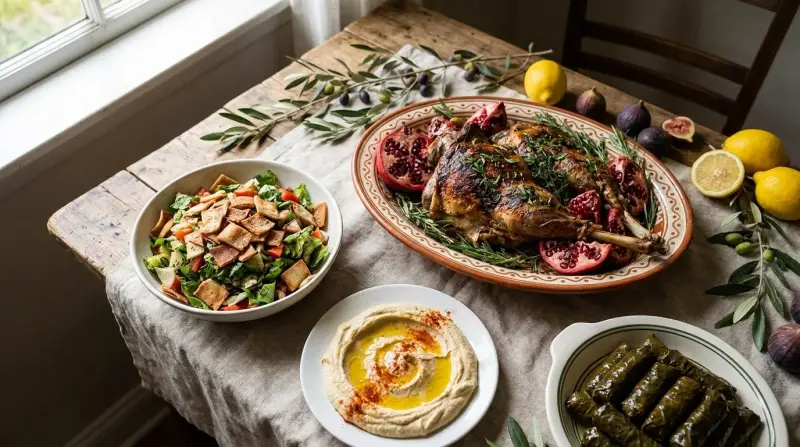
Bright and wholesome, Mediterranean cuisine celebrates fresh vegetables, olive oil, herbs, and lean proteins, creating meals that are both satisfying and heart-healthy.
4 recipes

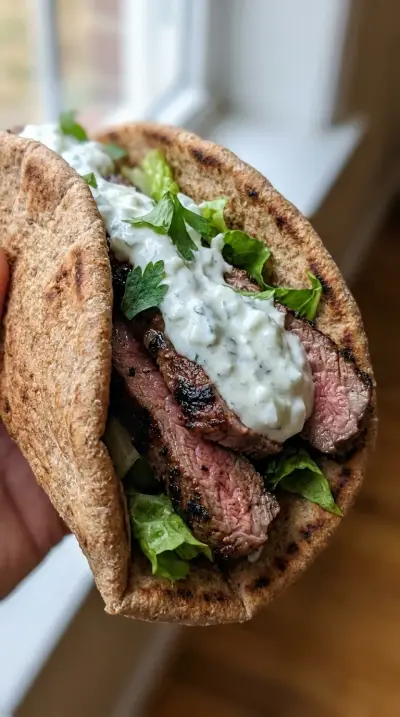
Beef Steak Gyro: Mediterranean Steak Wrap
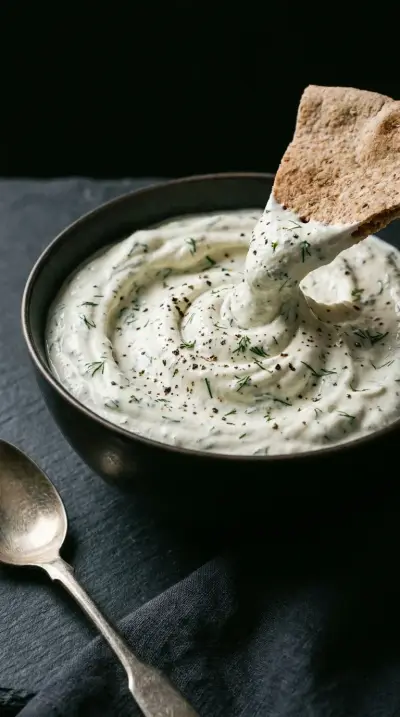
Greek Yogurt Protein Dip: Savoury Dill Lemon Garlic
Core Ingredients and Flavor Profile
Mediterranean cooking relies on a trio of staples: ripe vegetables, high-quality olive oil, and aromatic herbs such as oregano, basil, and thyme. Citrus, garlic, and a modest touch of nuts or seeds add brightness and texture. These elements combine to create dishes that are fragrant, lightly seasoned, and rich in healthy fats.
Simple Techniques for Authentic Results
Most Mediterranean meals are built on quick, uncomplicated methods that let the ingredients shine. Grilling or roasting vegetables over medium heat caramelizes their natural sugars while preserving a tender bite. A quick drizzle of olive oil before cooking deepens flavor without needing butter. Stir-frying herbs at the end of a sauté releases their essential oils without bitterness.
- Use extra-virgin olive oil for dressing and low-heat cooking.
- Season with sea salt and freshly cracked pepper, but let herbs carry most of the flavor.
- Finish dishes with a squeeze of lemon or a splash of balsamic reduction for acidity.
- Incorporate beans, lentils, or feta for protein without excess saturated fat.
When you follow these basics, even a single-pot dish feels balanced and restaurant-quality.
Choosing a Mediterranean Dish for Your Goals
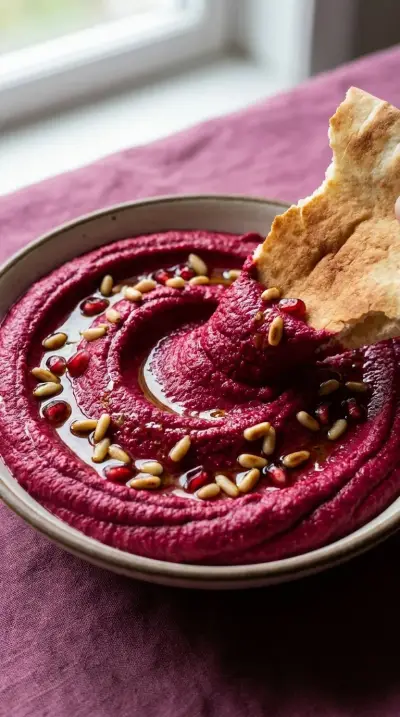
Look for recipes that highlight vegetables as the star and pair them with a lean protein source. The Beetroot Protein Dip: Roasted Beet and Greek Yogurt Fusion exemplifies this idea: sweet roasted beets combine with creamy Greek yogurt for a protein-packed snack that stays low in calories. It’s perfect for a post-workout boost or a light appetizer.
Other options you might explore include grain-based salads with chickpeas, grilled fish brushed with herb-olive oil, or vegetable-forward stews that finish with a sprinkle of feta. Prioritize dishes where the sauce is thin, olive-oil based, or yogurt-based rather than heavy cream or butter.
Finally, plan ahead by prepping staples—roasted pepper strips, cooked quinoa, or marinated olives—so you can assemble meals in minutes. This strategy keeps your cooking efficient and helps you stay on track with your health goals.